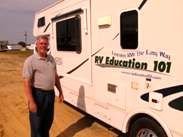
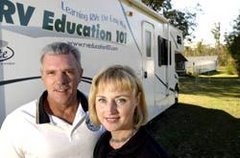
Another great camping season is just around the corner. For those of you in the market for an RV I would like to offer my top 10 tips to help you make better informed RV buying decisions.
1) If you’re not absolutely sure an RV is right for you try renting one before you buy.
Rule number one for owning an RV is you have to use it. It can be difficult to determine if an RV is right for you if you have never used one. Plan a weekend or week-long trip and rent an RV to try it out first. Renting an RV can be a good indicator to gauge if an RV is in your future. But I caution you, once you get the RV bug it’s hard to get rid of. Don't confuse not liking an RV with not understanding how to use the RV. Prior to renting an RV I recommend you purchase a RV training video on the type RV you plan to rent so you can thoroughly enjoy the rental experience.
2) Know which type of RV is right for you and your family before you buy.
RV’s come in numerous types, sizes and price ranges. Know which type of RV is right for you and your family and what price fits your budget. Take the time to research your specific needs, and how you plan to use the RV. If you plan to travel cross-country in the RV a motorized RV might make more sense than a towable RV. If you plan to go camping in the backwoods, off the beaten trail, a pop up or truck camper would probably make more sense. To learn more about the different types of RV's take a minute to visit http://www.rvconsumer.com/
3) New Vs. Used?
This is a major consideration to give some thought to before you purchase an RV. To assist you with making this decision consider how you plan to use the RV and what your budget is. If you only plan to take a couple of weekend trips, or use it for one week out of the year, a used RV might be best for you. And, it won’t do you any good to own an RV if there isn’t enough money left in the budget to enjoy it.
4) If you buy a towable RV make sure you have a tow vehicle that can safely tow it.
You might find your dream RV only to discover your tow vehicle can’t tow it. If you already own the vehicle you plan to tow with determine how much it can safely tow and shop for an RV based on that information. If you plan to buy a tow vehicle select the travel trailer or fifth wheel trailer first, then buy a vehicle that can safely tow it. RV dealerships should have trained personnel to assist you with matching the tow vehicle and trailer. Check out our "Trailer Towing DVD" or our "Tow your 5th Wheel Like a Pro DVD" before you purchase your travel trailer or 5th wheel.
5) If you plan to purchase a motorized RV drive it before you buy it.
Driving a motorhome for the first time can be a little intimidating, but it’s important that you test drive it before you buy it. You want a motorhome that you feel comfortable driving because you will spend a lot of time behind the wheel. Check out all of the controls, the view, mirrors and make sure it performs the way you expect it to. To learn more about dring an RV check out our "Drive your Motorhome Like a Pro DVD"
6) Do your research
Buying an RV is a major investment, similar to an automobile or your home. You need to do your research before you buy. There are lots of RV manufacturers and RV brands to choose from. You want an RV dealer and a manufacturer that will stand behind the product after the sale. You can research manufacturers on the internet, request brochures, take factory tours and attend local RV shows to learn more about all of the options you have.
7) Buy from a reputable RV dealership
A reputable RV dealership will have a professional sales, parts and service staff. This is an important consideration during and after the purchase of your RV. It’s important that you select the right type of RV, floorplan and brand for you and your family, and that there are qualified technicians to service the unit after the sale. A reputable RV dealership can make your RV ownership experiences much more pleasurable.
8) Protecting your investment
When you purchase your RV consider some other factors that will help protect your investment. I recommend looking into some type of extended service contract that goes beyond the manufacturer warranty period. There are numerous plans available, so shop around for the best deal. Get specialized RV insurance coverage. It’s different from your home and auto policy. When you need specialized coverage you’ll be glad you have it.
9) Now that you own it, where can you use it?
The Recreation Vehicle Industry Association, RVIA states that there are approximately 8,500 RV parks and campgrounds located near national parks and forests, popular tourist attractions, along interstates and in cities and small towns. With the Internet you have instant access to most of these public and private campgrounds, RV Parks and RV Resorts. Other good resources are travel guides, magazines, campground directories and state tourism boards to help plan your next RV trip.
10) Back to rule number 1
I mentioned earlier if you own an RV you need to use it, otherwise it’s just a large lawn ornament. So, pack up the RV, the kids and the pets and head out to explore this wonderful country we live in and build some lasting memories with family and friends.
Happy RV Learning,
Mark Polk
RV Education 101
RV University
RV Orientation
Go for the RV Gold
Follow us on FACEBOOK
RV Consumer
RV Videos on Demand
Showing posts with label RV buying information. Show all posts
Showing posts with label RV buying information. Show all posts


Buying an RV, New Versus Used

Speaking of warranty, if you do decide a used RV is your best choice, check to see if there is any type of warranty available. If you buy a used RV from a private owner it is normally “AS IS” with no warranty. This is true with many RV dealers too. Replacing an RV refrigerator or other major appliance can be very costly. Most RV dealers will offer an extended service plan or contract if the used RV meets the service plan criteria. You can also purchase these plans from RV clubs and reputable websites on the Internet. The age of the unit will factor into the cost of the plan but you should be able to negotiate with the dealer concerning a service plan. Make sure you read all of the fine print and understand exactly what is covered and what is not covered in any type of service plan or contract you purchase. Many times service plans offer different levels of coverage based on the cost of the plan. You also want to make sure that other RV dealers and repair facilities will honor the service plan you purchase. It won’t do you any good if you need repairs while you’re traveling and nobody will honor the plan.
Another factor to consider between buying new or used is how long you plan to keep the RV. What I mean by this is if you buy an RV with the thought in mind that as soon as you get your next pay raise you’re going to upgrade to a larger RV, it would be best to consider buying used. RV’s depreciate, they do not appreciate. If you buy a new RV and trade it or sell it within the first couple of years you will lose a substantial amount of money. In many cases a used RV has already suffered the brunt of the depreciation and you don’t stand to lose as much if you trade or sell it sooner. This of course will depend on how much you pay for the used RV.
Most RV dealers use the NADA guide for Recreation Vehicles to determine used RV pricing, www.nada.com Used RV prices are based on the age of the unit, the condition, options and mileage, if it’s a motorized RV. The NADA guide offers wholesale and retail pricing for used RV’s, and all NADA pricing assumes the RV is in good condition, and proper working order. Ask to see the NADA price for the unit you are considering purchasing, or look it up on the Internet. For accurate figures you will need to know the make, model, year, options and for gasoline motorhomes, the chassis manufacturer and mileage. You wouldn’t pay full Manufacturer Suggested Retail Price (MSRP) for a new RV, so you shouldn’t pay full NADA retail price for a used RV either. Some used RV’s are in more demand than others, but if the used RV is in good condition and everything operates properly a fair price would be somewhere between the NADA wholesale and retail price guidelines.
Another consideration when thinking about purchasing a used RV is the finance terms and interest rates. Because the RV is used, banks offer shorter finance terms and higher interest rates compared to new RV financing.
If you decide to purchase a used RV make sure that all of the systems and appliances operate properly, and that there is no type of hidden damage that can’t easily be seen. Damage caused by water leaks can be hard to detect and extremely costly to repair. If you are not knowledgeable about RV’s you should take someone with you who is, to inspect the unit you are considering purchasing. It may be possible to hire somebody to thoroughly inspect the unit before you buy it. Most RV dealers will give you a walk through orientation of the RV and demonstrate that everything is operating properly. I recommend that you purchase an RV training video on the type of RV you are buying and view it prior to the scheduled walk through. You will have a much better understanding of how everything works and you can ask more targeted questions. RV training videos are available at http://www.rveducation101.com/
Be sure to consider the cost, how you plan to use the RV, warranty, and how long you plan to keep the RV when deciding whether to buy new or used.
Some other great sources for more information on buying an RV are my e-books titled “RV Buyer’s Survival Guide” and “The Insider’s Guide to Buying an RV”
Happy RV Learning,
Mark Polk
RV Education 101
RV University
RV Orientation
Go for the RV Gold
Follow us on FACEBOOK
RV Consumer
RV Videos on Demand
RV Shows, your Wintertime RV Fix
In late November we took our last RV camping trip for the year. We had a great time and when we returned I cleaned the RV, winterized it, and prepared it for storage. When I closed the garage door behind me the reality sank in that there would be no more RV adventures until sometime this coming spring. It’s always a bit depressing to park the RV with no plans to use it for two or three months. It’s sort of like when football season ends, or your favorite television program ends, and you need to wait several months for the next season to begin.
What I discovered can help you through these rough times is to attend some RV shows. You might need to park the RV for awhile but that doesn’t mean you can’t think about RV’s, look at RV’s, or plan the next trip in your RV.
RV shows offer the avid RVer a fix to get through the wintertime RV blues. You don’t need to be in the market for a new RV to attend an RV show. It’s a lot of fun to just look at all the new RV models coming out and to dream a little bit. If you’re not shopping for an RV just be careful and keep reminding yourself that you’re only there to look. With all of the excitement, not to mention a good salesperson, it’s easy to make a hasty buying decision.
There is a lot of ground to cover at an RV show and a wealth of information available. RV shows aren’t just for RV dealers to showcase their new products. RV shows are a great source of information from knowledgeable representatives on every aspect of the RV industry. You will find information on campgrounds, RV resorts and new destinations you can visit. You will get to see a wide variety of RV aftermarket products and accessories available for RVers, and many times there will be some great RV seminars you can attend. RV shows are a good place to talk to RV manufacturer representatives and other industry experts too. Many of the RV manufacturers send knowledgeable representatives to assist RV dealers with their products. This is a good opportunity to ask any questions you might have about a particular RV brand or model. RV shows are also a great place to just talk with other RVers. Many of these people have years of RV experience and knowledge of different RV related products.
If you are a new RVer, or if you are in the market for a new RV, these shows are a great place to start your research. RV dealers come from miles away to attend RV shows. When you attend an RV show don’t be afraid to ask questions about the RV dealership and the products they have to offer. Not only will you find a good selection of RV dealers to check out, but there will be every make and model of RV imaginable too. RV shows are a great place to do some comparison shopping too. Keep in mind that RV’s are available in entry, mid-line, and high-end models. When comparing prices, make sure it is apples to apples. One RV may look like another one, but you need to compare the options, construction, equipment and features they both have to offer. If you are in the market to buy an RV you should have some idea of what your needs are, what you want, and how you plan to use the RV. This is extremely important. Here are a few things to consider before you buy at an RV show.
This is just a partial list, but it should help you make a more informed decision before you purchase an RV. The Recreation Vehicle Industry Association, RVIA, offers a very good, searchable database to assist you in locating upcoming RV shows near you. RV shows are usually advertised on local television and radio stations too.
So what are you waiting for? Find out when the next RV show will be in your area and make it a point to attend. This can be just the RV fix you need until it’s time to take your RV out of storage for another great camping season. Oh, and don’t forget to wear some comfortable walking shoes too!
If you’re new to RVing and/or are considering purchasing an RV be sure to check out our latest DVD release, An Introduction to RV’s.
Happy Camping,
Mark Polk
RV Education 101
RV University
Follow us on TWITTER
What I discovered can help you through these rough times is to attend some RV shows. You might need to park the RV for awhile but that doesn’t mean you can’t think about RV’s, look at RV’s, or plan the next trip in your RV.
RV shows offer the avid RVer a fix to get through the wintertime RV blues. You don’t need to be in the market for a new RV to attend an RV show. It’s a lot of fun to just look at all the new RV models coming out and to dream a little bit. If you’re not shopping for an RV just be careful and keep reminding yourself that you’re only there to look. With all of the excitement, not to mention a good salesperson, it’s easy to make a hasty buying decision.
There is a lot of ground to cover at an RV show and a wealth of information available. RV shows aren’t just for RV dealers to showcase their new products. RV shows are a great source of information from knowledgeable representatives on every aspect of the RV industry. You will find information on campgrounds, RV resorts and new destinations you can visit. You will get to see a wide variety of RV aftermarket products and accessories available for RVers, and many times there will be some great RV seminars you can attend. RV shows are a good place to talk to RV manufacturer representatives and other industry experts too. Many of the RV manufacturers send knowledgeable representatives to assist RV dealers with their products. This is a good opportunity to ask any questions you might have about a particular RV brand or model. RV shows are also a great place to just talk with other RVers. Many of these people have years of RV experience and knowledge of different RV related products.
If you are a new RVer, or if you are in the market for a new RV, these shows are a great place to start your research. RV dealers come from miles away to attend RV shows. When you attend an RV show don’t be afraid to ask questions about the RV dealership and the products they have to offer. Not only will you find a good selection of RV dealers to check out, but there will be every make and model of RV imaginable too. RV shows are a great place to do some comparison shopping too. Keep in mind that RV’s are available in entry, mid-line, and high-end models. When comparing prices, make sure it is apples to apples. One RV may look like another one, but you need to compare the options, construction, equipment and features they both have to offer. If you are in the market to buy an RV you should have some idea of what your needs are, what you want, and how you plan to use the RV. This is extremely important. Here are a few things to consider before you buy at an RV show.
- What type of RV is best suited for you and your family?
- What type of floor plan will work best for you and your family?
- What price and monthly payment will comfortably fit in your budget?
- Do you plan to travel cross-country with the RV or is it going to be set up at one location and left there?
- If you’re going to be towing the RV is the tow vehicle capable of handling the weight of the RV and do you have the proper hitch work to safely tow it?
- How many people will be in the RV and what are the sleeping requirements?
- Is there enough seating space?
- Do you need a slide-out(s) for additional living space?
- Is there enough exterior storage, and are the storage compartments large enough to accommodate what you plan to take?
- Is there enough closet, cabinet and drawer space for all of your personal belonging?
- Are there enough cabinets and drawers in the kitchen? Don’t forget about the pots and pans.
- How much counter space does it have in the kitchen? Is it enough?
- Where is the dinette table in relation to the range, oven and the refrigerator? Does it make sense?
- How does the bed feel when you lay down? Is it long enough and wide enough?
- Are there windows where you want windows?
- Can you reach the microwave?
- Is the A/C ducted throughout the unit? If not will it cool the entire unit?
- Do you prefer a split bathroom where the shower is separate, or a bathroom where everything is together?
- Is the bathroom big enough? Can you stand up in the shower and sit on the toilet?
- How much fresh water can you take with you? Is it enough?
- How large are the gray water and black water holding tanks? Are they large enough for the way you plan to use the RV?
- How much LP gas does it hold? Is it enough for how you plan to use the RV?
- If you want a motorhome drive it before you buy it.
- Do you need a generator?
- If equipped with a TV where is it located in relation to the seating arrangements?
- How long is the warranty for on the RV? Do you need extended coverage to protect your investment?
- How is the RV constructed?
- If you’re buying a motor home do you want gas or diesel? Which type is more practical for how you plan to use it?
- Does the RV have the options that you want?
This is just a partial list, but it should help you make a more informed decision before you purchase an RV. The Recreation Vehicle Industry Association, RVIA, offers a very good, searchable database to assist you in locating upcoming RV shows near you. RV shows are usually advertised on local television and radio stations too.
So what are you waiting for? Find out when the next RV show will be in your area and make it a point to attend. This can be just the RV fix you need until it’s time to take your RV out of storage for another great camping season. Oh, and don’t forget to wear some comfortable walking shoes too!
If you’re new to RVing and/or are considering purchasing an RV be sure to check out our latest DVD release, An Introduction to RV’s.
Happy Camping,
Mark Polk
RV Education 101
RV University
Follow us on TWITTER
Subscribe to:
Posts (Atom)